Contact Us
The Parents' Corner:
Insights, Advice, and Inspiration
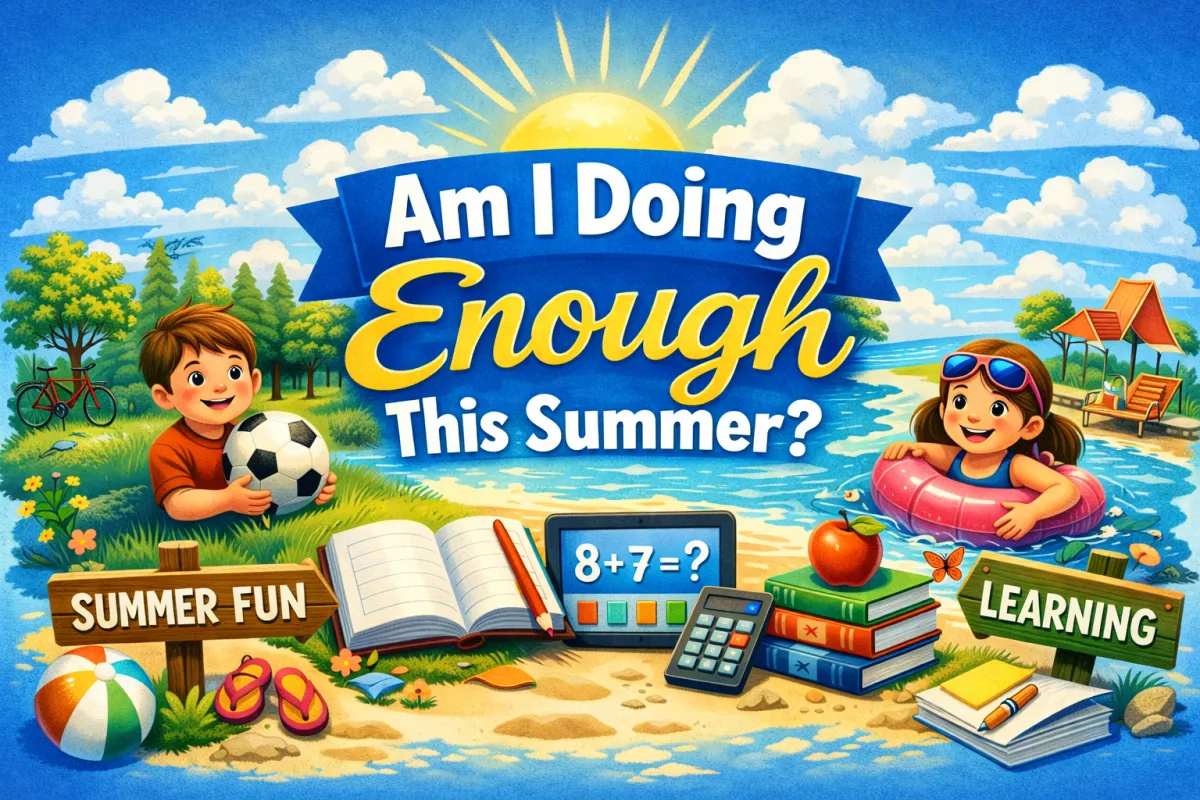
What Is Summer Slide? How to Keep Your Child From Falling Behind in Math and Reading
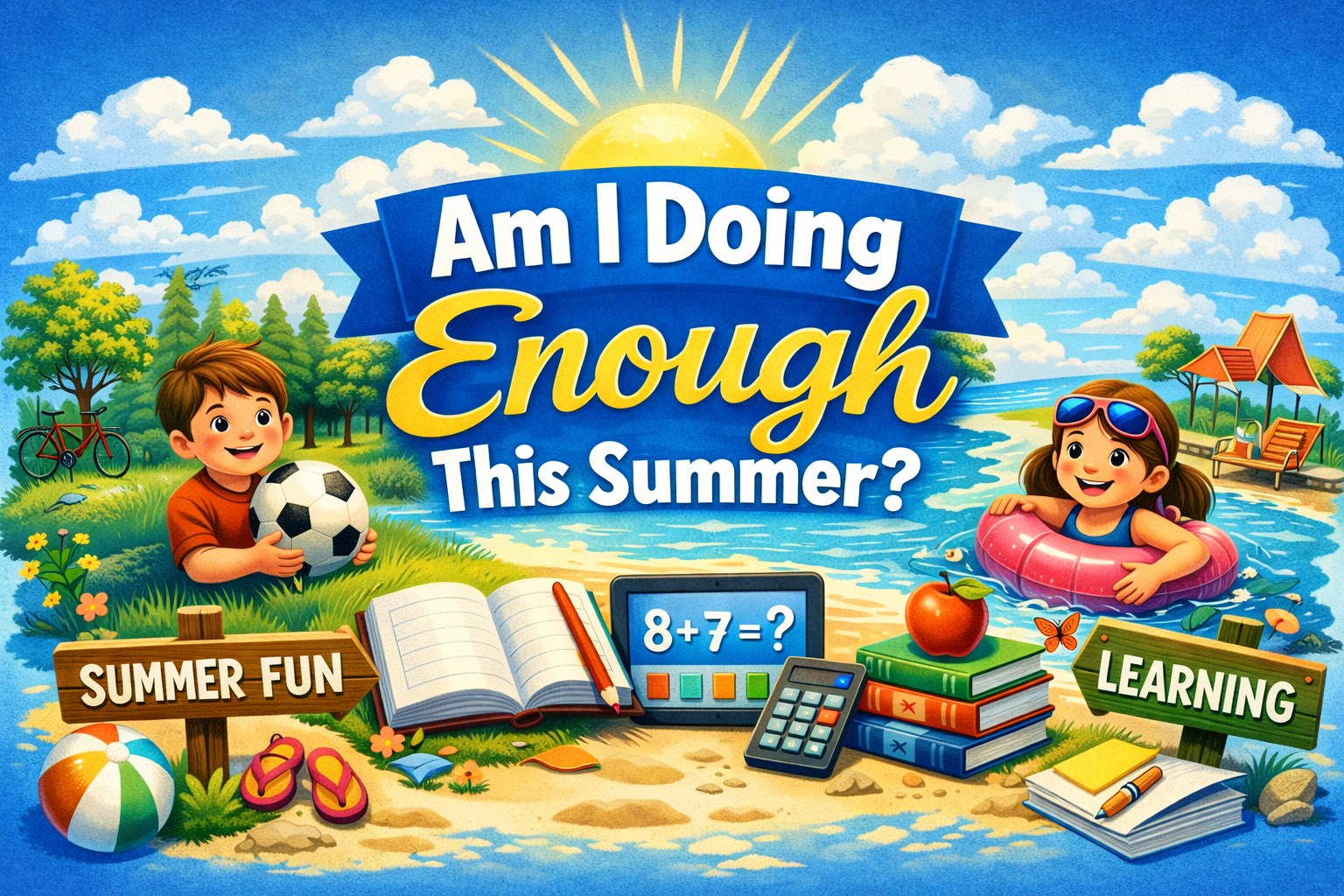
“Am I Doing Enough This Summer?”
If you’ve asked yourself:
Should my child be doing schoolwork over the summer?
Will my child forget what they learned this year?
How do I keep my child learning without ruining summer?
You’re not alone.
These are some of the most common questions parents ask on platforms like ChatGPT, Claude, and Quora.
And the truth is…
👉 You don’t have to choose between a fun summer and your child staying on track academically.
But you do need a plan.
What Is Summer Slide?
Summer slide is the learning loss that happens when students stop practicing academic skills—especially in math and Reading—during the summer months.
By the time school starts again, many students:
Forget key math concepts
Struggle with reading fluency
Lose confidence
👉 Which means they start the new school year already trying to catch up.
Why Summer Slide Matters More Than You Think
As a tutor, I see this every single year.
A student comes in and says:
👉 “I learned this last year… I just don’t remember it.”
And they’re right.
They DID learn it.
But without consistent practice, those skills didn’t stick.
Do Kids Really Lose Skills Over the Summer?
Yes—and this is one of the most searched parent questions.
The biggest areas impacted are:
Math → because it builds step by step
Reading → because it requires daily use
👉 Even strong students can fall behind without consistency.
The Real Problem Isn’t Ability—It’s Consistency
Most parents don’t struggle with wanting to help.
They struggle with:
Not knowing what to use
Not knowing how much is enough
Not wanting to turn summer into school
👉 So nothing happens consistently.
The Solution: Simple, Consistent, Low-Stress Learning
You don’t need:
Hours of schoolwork
Worksheets all day
A strict classroom setup
You need:
👉 30–60 minutes of intentional practice
🧮 Why Math Skills Fade Fast



Math builds on itself.
When students stop practicing:
They forget foundational skills
They lose problem-solving confidence
The next school year feels harder than it should
Why Reading Must Stay Consistent


Reading is used in every subject.
Without practice:
Fluency decreases
Comprehension weakens
Confidence drops
5 Signs Your Child May Already Be Experiencing Summer Slide
You might notice:
Struggling with math skills they previously knew
Slower or less confident Reading
Avoiding academic activities
Saying “I forgot how to do this.”
Getting frustrated more quickly
If you’re seeing this already…
👉 It’s not too late—but it is time to act
What This Looks Like for 2nd–3rd Grade Students
At this level, students are building critical foundations.
In Math:
Addition and subtraction fluency
Beginning multiplication concepts
Place value and problem-solving
In Reading:
Moving from learning to read → reading to understand
Building comprehension and vocabulary
👉 This is a critical transition stage.
Gaps here don’t just stay small—they grow.
A Simple Summer Plan That Actually Works
You don’t need to overcomplicate this.
⏰ Total: 45–60 Minutes Per Day
📚 Reading (15–20 minutes daily)
Independent Reading
Reading apps
Reading out loud
🧮 Math (20–30 minutes, 3–4x per week)
Interactive platforms like Zearn or IXL
Real-life math (cooking, shopping, measuring)
✍🏽 Writing (2–3x per week)
Journaling
Writing about summer experiences
How Do I Keep My Child Learning Without Fighting Them?
This is one of the biggest concerns for parents.
Here’s what works:
Keep sessions short
Let them choose books
Use interactive tools
Build it into your routine
👉 Learning should feel natural—not forced.
What Happens If You Skip Summer Learning?
By the time school starts:
Students feel behind
Confidence drops
Frustration increases
And parents often say:
👉 “They did this last year—why don’t they remember it?”
Real Proof: Why Consistency Changes Everything
This is something I’ve seen over and over again.
Students who practice consistently:
Build confidence
Strengthen their skills
Start the school year ahead—not behind
In fact, I shared a real example of this here:
👉 How Consistent Practice Helps Struggling Math Students
This is what happens when students build habits rather than cram.
From My Experience Working With Students
Students don’t fall behind because they can’t learn.
They fall behind because learning isn’t reinforced consistently.
With the right support, structure, and small daily habits…
👉 Everything changes.
Want a Simple Plan Without the Guesswork?
If you’re thinking:
I don’t want my child to fall behind
I just need a simple plan that works
I don’t have time to figure all of this out
👉 That’s exactly what I help families with.
At Joy’s Educational Services, I focus on:
Strengthening math foundations
Building confidence
Creating structured, stress-free learning plans
Schedule Your Free Consultation
👉 https://links.fullscope.tools/widget/bookings/consult14
Well:
✔ Identify where your child currently stands
✔ Create a simple summer plan
✔ Set them up for a strong next school year
Frequently Asked Questions About Summer Slide
How much learning loss happens over the summer?
Students can lose up to 2–3 months of math skills, and experience declines in reading fluency.
How often should my child practice?
30–60 minutes a day, 4–5 days per week is enough.
What subjects should we focus on?
Math and Reading—they impact everything.
What if my child resists learning?
Keep it short, engaging, and consistent. Progress matters more than perfection.
FINAL THOUGHT
Summer should be:
Fun
Relaxing
Memorable
But also include:
A little reading
A little math
A little structure
Because the goal isn’t just to prevent learning loss…
👉 It’s to help your child walk into the next school year confident and ready.