New Blog Post
Common Questions Parents Ask About Homeschool Pods & Small Learning Groups
Over the last few years, more parents have started asking questions about homeschooling. Many families love the idea of a more personalized education but worry about whether they have the time, resources, or confidence to do so on their own.
If you spend time reading parenting forums on Google, Reddit, Facebook homeschool groups, or Quora, you’ll quickly see the same questions come up again and again:
“Can I homeschool if I still work?”
“Will my child have friends?”
“Do I have to teach everything myself?”
“Where do I even begin?”
These questions are completely normal.
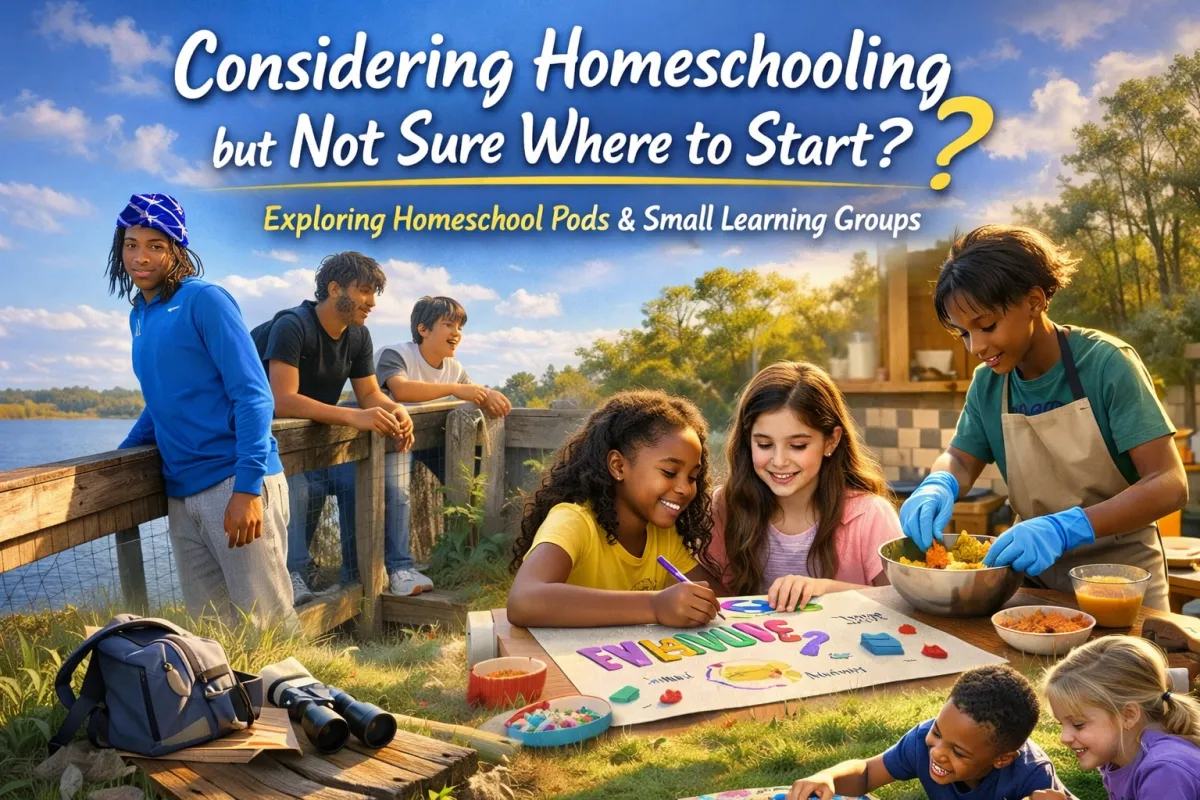
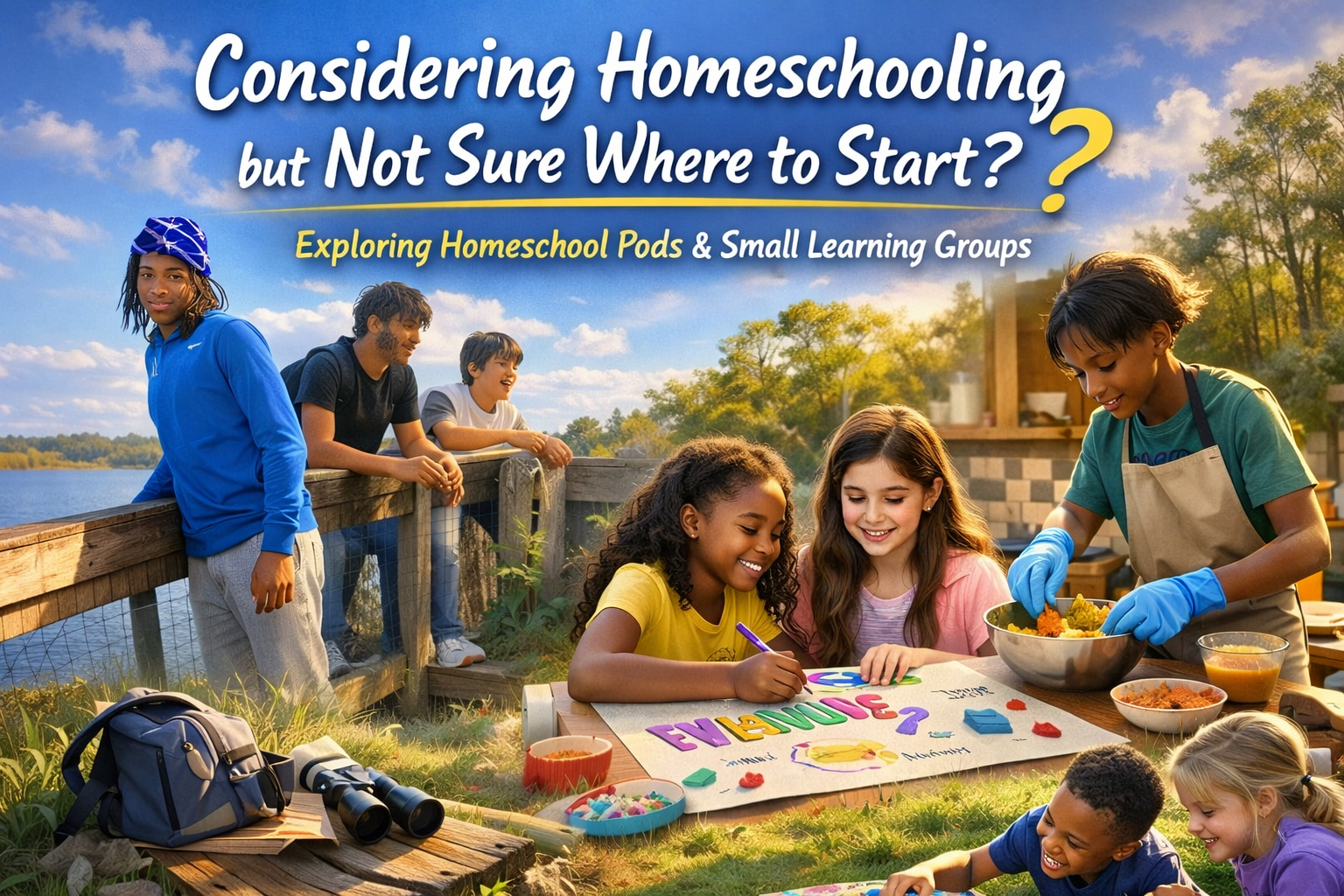
That’s where small homeschool learning groups — sometimes called learning pods, micro-schools, or co-ops — can help.
At Joy’s Educational Services, we often talk with parents who want the benefits of homeschooling but need support along the way. Below are some of the most common questions families ask when they are exploring this option.
What exactly is a homeschool learning pod or small group program?
A homeschool pod is a small group of students who learn together in a home or community setting while still being legally homeschooled by their parents.
Pods are typically much smaller than traditional classrooms and may include anywhere from 3–10 students learning together.
Parents remain responsible for their child’s education, but they often share instruction, resources, and supervision, making homeschooling more manageable.
For many families, this creates a middle ground between traditional school and homeschooling alone.
I want to homeschool, but I still have to work. Is that possible?
This is probably the most common question parents ask.
The reality is that many families want the flexibility of homeschooling but cannot stay home full-time.
Small learning groups allow students to:
• Work on core subjects during structured learning hours
• Receive guidance from an educator or tutor
• Participate in group projects and discussions
• Still follow a homeschool curriculum chosen by the family
This creates a balance where parents remain involved in their child’s education without carrying the entire workload alone.
Will my child still get social interaction?
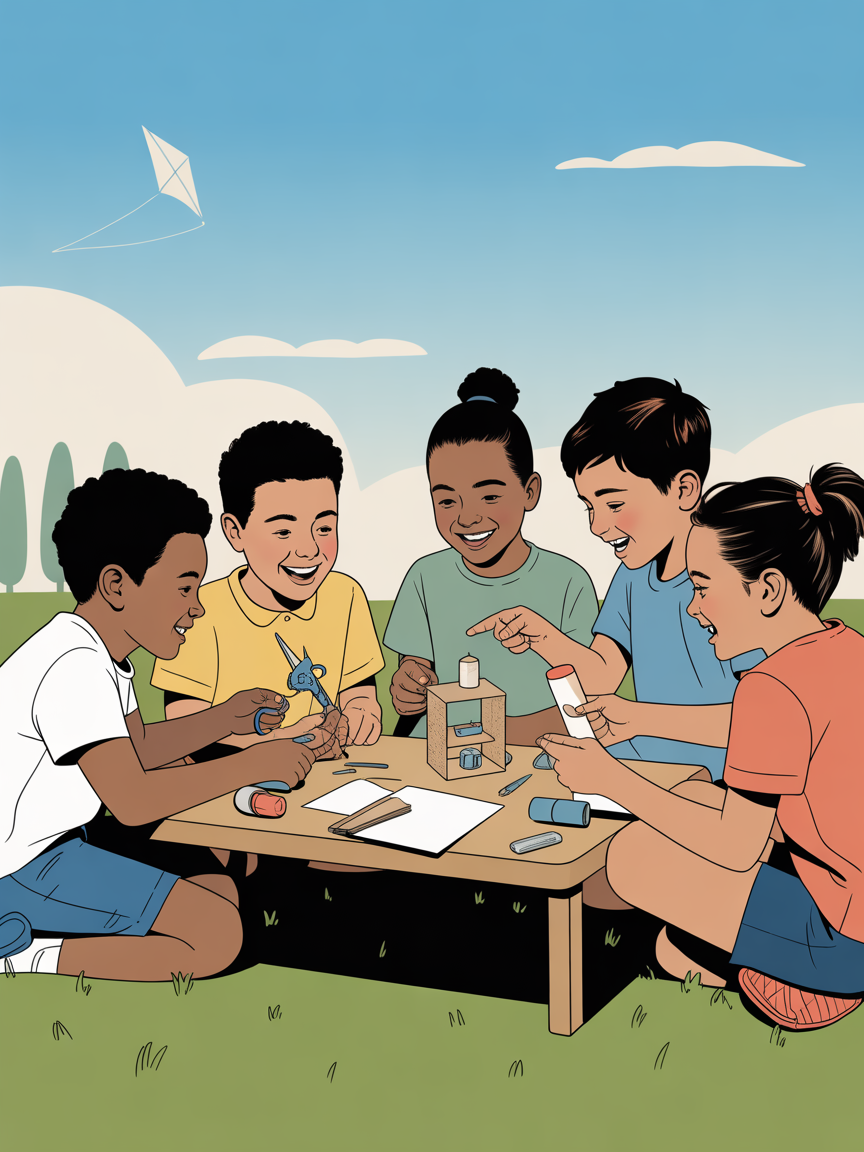
Yes — and in many cases, it’s actually more intentional and meaningful.
Homeschool groups allow students to interact with peers while still maintaining a small, supportive environment.
One benefit of homeschool cooperatives is that they provide social learning opportunities and friendships while keeping class sizes small.
Students often work together on:
• Group projects
• Field trips
• Electives and enrichment activities
• Outdoor learning experiences
This helps students practice communication, teamwork, and leadership.
What subjects are typically taught in a homeschool group?
This varies depending on the program, but most small homeschool settings focus on:
Core subjects
• Math
• Reading / Language Arts
• Science
• Social Studies
Enrichment and life-skill activities
• Art and creative projects
• Life skills
• Public speaking
• History projects
• STEM activities
• Cooking and real-world math
Because groups are small, learning can be more hands-on, project-based, and interactive.
What are the biggest benefits of a smaller learning environment?
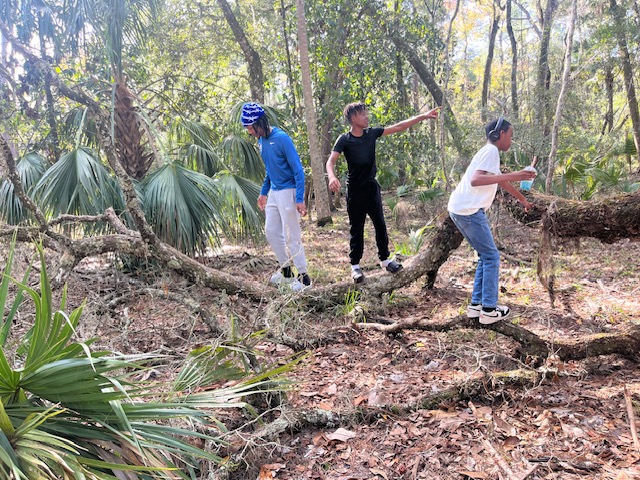
Many parents choose small-group homeschooling because it offers:
More individual attention
Students are not competing with 20–30 classmates for help.
Flexible learning pace
Children can move faster in areas where they excel and take more time where they need support.
Stronger relationships
Students build closer connections with their teacher and peers.
Real-world learning
Lessons can include field trips, projects, and life skills.
Building Community, Culture, and Real Connections
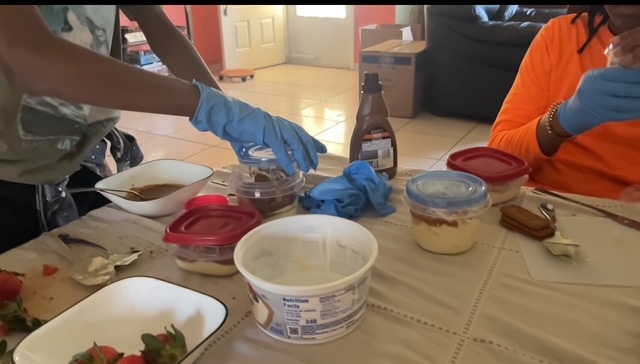
One of the most unexpected benefits families notice in small homeschool groups is the sense of community that naturally develops.
In traditional classrooms with 25–30 students, children often move through the day without really getting to know one another. In a smaller learning environment, students have the opportunity to build deeper friendships, stronger collaboration skills, and a greater sense of belonging.
Because the groups are small, learning can extend beyond worksheets and screens into real-life experiences that help students connect with each other and the world around them.
In our small learning groups, students have participated in activities such as:
• Cooking projects that combine math, reading, and life skills
• Essay writing and storytelling workshops
• Field trips that bring lessons to life
• Poster board presentations and creative history projects
• Outdoor play and neighborhood exploration
• Classic childhood games like hide-and-seek
• Board games that build strategy, teamwork, and problem-solving skills
These shared experiences help students build confidence, communication skills, and cultural awareness as they learn from one another’s perspectives and backgrounds.
When students feel connected to their peers and supported by their learning community, they are often more engaged, more confident, and more willing to participate.
What concerns do parents usually have?
When parents discuss homeschooling online, they often ask questions about:
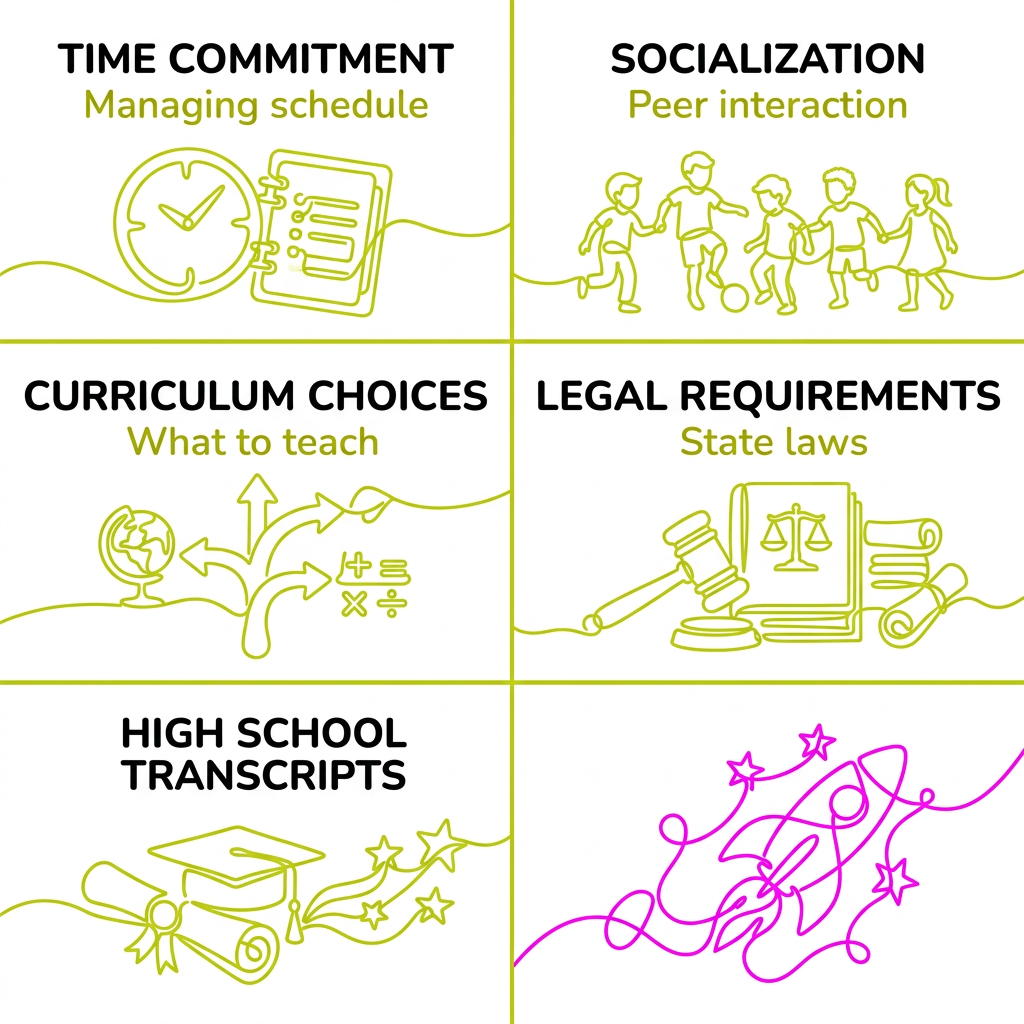
These concerns are normal, and they are often why families explore co-ops, learning pods, or small educational programs where support and structure already exist.
Is a homeschool group the same as a private school?
No.
In most cases, homeschool groups or pods support homeschooling rather than replacing it.
Parents remain legally responsible for their child’s education while the group provides structure, learning support, and community.
Think of it as a partnership between families and educators.
Is this the right option for my family?
Every family’s situation is different.
A small homeschool learning environment may be a good fit if:
• You want more involvement in your child’s education
• Your child thrives in smaller groups
• You want flexible learning rather than rigid schedules
• You value hands-on learning experiences
• You want support from an educator while homeschooling
Final Thoughts
Homeschooling does not have to mean doing everything alone.
For many families, small learning environments provide the perfect balance — combining the freedom of homeschooling with the support of a learning community.
At Joy’s Educational Services, we believe education works best when students feel seen, supported, and inspired to learn.
Sometimes the best classroom is simply a smaller one.
Still Have Questions About Homeschooling?
If you’ve been searching online or reading conversations on Google, Reddit, and parenting forums, you’ll notice that many parents are asking the same questions.
Most families who explore homeschooling start in the same place — curious, hopeful, but unsure where to begin.
That’s why we created Joy’s Educational Services — a place where parents can explore their options and talk through what learning environment may work best for their child.
Schedule a Free Consultation
If you're considering homeschooling, a learning pod, or a small-group learning environment but aren’t sure what the next step should be, we invite you to schedule a free consultation.
During this conversation, we can discuss:
✔ Your child’s learning style and academic needs
✔ Whether a homeschool pod or small learning group may be a good fit
✔ Curriculum options and daily schedules
✔ How working parents can successfully homeschool
✔ Resources available in your community
Sometimes parents simply need a place to ask questions and explore possibilities.
📅 Schedule your free consultation:
👉 https://joyseducationalservices.org
Because when parents feel confident, students thrive.